


Sanding Discs
Sanding discs are essential in sanding applications as they used to remove surface materials including ceramics, plastics, metal and more as well as sanding out other imperfections. We have a phenomenal selection of abrasive discs available here at Fosseway Tapes, with an extensive variety of diameters, grit and pack sizes on offer to meet all of your requirements. So, whether you require a sanding disk for general purpose use or for construction work, we have got you covered with our collection.
Showing all 5 resultsSorted by popularity
-

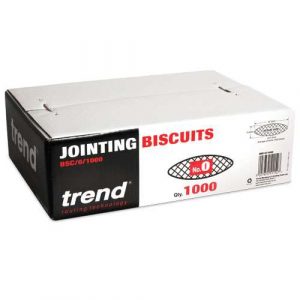
Trend Jointing Biscuits No 00/10/20 (1,000 Pack) | High-Quality Die-Cut Beechwood Jointing Biscuits for Strong & Accurate Furniture and Cabinet Making
From: £35.50 Inc. VAT Select options This product has multiple variants. The options may be chosen on the product page -
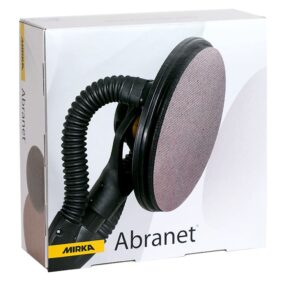
Mirka Abranet Various Grits Sanding Discs 225mm (25 Pack) | Dust-Free Mesh Abrasive, Hook & Loop, No Clogging, for Wood, Paint & Automotive
£40.80 Inc. VAT Select options This product has multiple variants. The options may be chosen on the product page -
Mirka CEROS or ROS Random Orbital Sander Replacement 150mm Backing Pads 150mm 5/16″ Grip 51H Medium
£40.45 Inc. VAT Add to basket -
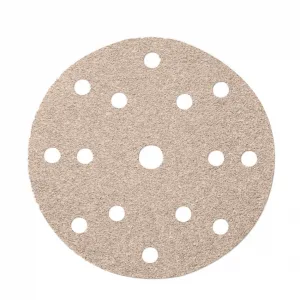
Mirka Basecut Various Grits Sanding Discs 150mm (50 Pack) | 15H Aluminium Oxide, High-Efficiency Hook & Loop for Aggressive Stock Removal & Paint Stripping
£15.60 Inc. VAT Select options This product has multiple variants. The options may be chosen on the product page -
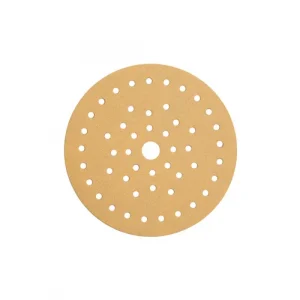
Mirka Gold Various Grits Grip Multifit Sanding Discs 150mm (100 Pack) | Aluminium Oxide, Anti-Clog, Multi Hole for Wood, Metal & Paint
From: £26.10 Inc. VAT Select options This product has multiple variants. The options may be chosen on the product page
Abrasive & Sanding Discs Explored
Achieving a flawless surface finish requires a perfect balance of cutting power, heat dissipation, and grain consistency.
Industrial sanding processes demand abrasives that can withstand intense friction without premature clogging or tearing.
Selecting the correct abrasive disc ensures that your substrate remains smooth, uniform, and entirely free from deep swirl marks or gouges.
To find the ideal cutting or finishing solution for your next project, explore our extensive range of high-performance sanding discs designed for trade professionals.
How do different abrasive grains affect the rate of material removal?
The mineral composition of the grain determines how the disc fractures under heavy pressure and friction.
For instance, aluminium oxide is highly durable and fractures easily during use to constantly expose fresh, sharp cutting edges.
This self-sharpening action prevents thermal build-up and ensures a highly consistent scratch pattern across metal and wood surfaces.
In contrast, specialised zirconia alumina grains are much tougher, making them perfectly suited for rapid, heavy-duty stock removal on stainless steel.
Why is dust extraction critical for the longevity of your sanding discs?
When sanding raw timber, fillers, or primers, fine dust particles quickly accumulate between the abrasive grains.
This phenomenon, known as loading, creates a smooth barrier that stops the abrasive from contacting the workpiece.
So what should you consider here?
Using discs with multi-hole configurations allows standard extraction systems to pull dust away from the surface immediately.
This process reduces friction, keeps the working temperature low, and extends the operational life of the disc by up to four times.
What causes heat discoloration on metal workpieces during dry sanding?
Excessive frictional heat alters the crystalline structure of metals, leading to unsightly blue or straw-coloured oxidisation marks.
This thermal damage is usually caused by using a worn disc or applying too much downward pressure while working.
Using premium abrasives with an advanced anti-loading top coat significantly reduces friction during the cutting process.
These specialized top coats act as a dry lubricant, allowing the disc to glide smoothly across the metal while maintaining a high cut rate.
How to Choose the Perfect Abrasive & Sanding Discs?
Selecting the right disc involves matching the backing material and grain type to your specific machinery and substrate.
A mismatched combination can result in torn backing materials, gouged surfaces, or ruined workpieces.
You must carefully balance the grit sequence, starting with coarse grades for heavy shaping before moving down to fine grades for finishing.
Understanding the subtle structural differences between backing types will completely transform your workshop efficiency.
Variations & Types
Velcro Hook and Loop Discs
Hook and loop backing systems allow for rapid disc changes, saving valuable time during multi-stage sanding operations.
The dense nylon fabric backing absorbs minor operational vibrations, providing a smoother user experience and reducing hand fatigue.
These discs are ideal for random orbital sanders, where rapid dust extraction and quick grit transitions are required.
Self-Adhesive PSA Discs
Pressure-sensitive adhesive discs stick directly to the backing pad, creating an incredibly flat and rigid sanding surface.
This lack of cushioning ensures maximum precision when flat-sanding critical joins, sharp edges, or high spots on metalwork.
They are highly popular in automotive repair shops where absolute flatness is required before priming and painting.
Fibre Backed Grinding Discs
Built upon a heavy, vulcanised fibre backing, these discs are engineered to withstand extreme pressures and high rotational speeds.
They are primarily used on heavy-duty angle grinders for stripping weld seams, removing rust, and beveling thick metal plates.
The rigid backing ensures that maximum energy is transferred directly to the workpiece for aggressive stock removal.
Specialist Considerations
Substrate Hardness and Grain Selection
Harder materials like stainless steel or alloy steels require tough, synthetic grains that do not dull instantly under load.
Softwood and composite materials require open-coat discs, where the grains are spaced further apart to accommodate larger wood fibres.
Matching the grain to the hardness of your material prevents surface contamination and keeps your abrasives cutting cleanly.
Dust Hole Configurations and Extraction
The hole pattern on your sanding disc must line up perfectly with the extraction holes on your backing pad.
Common patterns include 6-hole, 8-hole, and advanced multi-hole designs that draw dust from across the entire surface area.
Proper alignment keeps the air clear, protects your respiratory health, and stops airborne dust from scratching the workpiece.
Speed Ratings and Operator Safety
Every abrasive disc carries a maximum RPM rating that must never be exceeded under any circumstances.
Running a disc beyond its structural limit can cause the backing material to shatter, risking serious operator injury.
Always verify that your air tool or electric sander matches the speed capabilities of your chosen abrasive disc.
Quality & Brand Selection
Investing in trade-quality abrasives reduces your overall project costs by decreasing the total number of discs used per job.
Premium discs maintain their cutting efficiency for much longer, preventing the frustration of frequent downtime in busy workshops.
For professional results, we recommend exploring our collection of high-tier sanding discs to achieve an uncompromised industrial finish.