


Fabric Glues & Adhesives
Repair, create and alter textiles with ease using our premium selection of fabric glues and adhesives. Bonding fabrics requires a unique type of adhesive that remains completely flexible once dry, ensuring that your garments, furniture and soft furnishings maintain their natural movement and drape. Our range features high performance textile glues engineered to withstand washing, dry cleaning and everyday wear and tear.
These specialized formulas are perfect for a vast array of materials, including cotton, denim, canvas, leather and synthetic polyesters. Whether you are seamless hemming trousers, repairing torn vehicle upholstery, securing carpets or working on intricate craft and costume designs, our fabric adhesives provide a clean, stitch free alternative to traditional sewing. Explore our full collection below to find the ideal permanent or temporary bond for your project.
Showing all 4 resultsSorted by popularity
-

Grabfast Clear Bio Spray Adhesive – 500ml Can, Eco-Friendly High-Tack Glue for Laminates, Fabrics & Foam, Fast-Drying & Low Odour Formula
£6.49 Inc. VAT Add to basket -

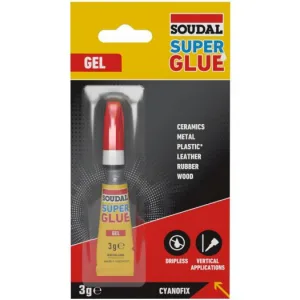
Soudal Super Glue Gel 3g – No-Drip Instant Adhesive for Vertical Surfaces, Precise Application on Metal, Plastic, Rubber & Ceramics, Fast Bonding
£0.85 Inc. VAT Add to basket -
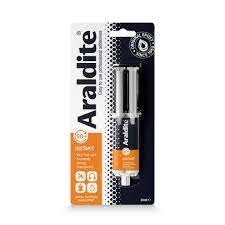
Araldite Instant 24ml Syringe Epoxy Adhesive | 90-Second Fast-Set High Performance Resin for Metal, Wood, Glass & Ceramics | Water & Oil Resistant
£7.99 Inc. VAT Add to basket -
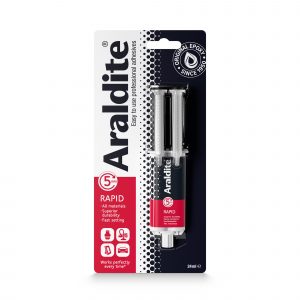
Araldite Rapid 24ml Syringe Epoxy Adhesive | 5-Minute Fast-Set High Performance Resin for Metal, Wood, Ceramics & Glass | Water & Chemical Resistant
£7.99 Inc. VAT Add to basket
Fabric Glues & Adhesives Explored
Achieving an unyielding, seamless bond on textiles requires a specialized polymer matrix that conforms to the natural movement of woven fibres.
Industrial textile assembly and professional garment alterations demand liquid bonding agents that completely eliminate the need for traditional needle punctures and bulky thread lines.
Selecting the correct formulation ensures that your fabric seams remain entirely flat, supple, and structurally stable under intense mechanical pulling and stretching.
To discover the ultimate textile joining solutions for your next project, explore our extensive trade range of premium fabric glues & adhesives engineered for trade professionals.
Why does polymer flexibility prevent cracking along bonded textile seams?
Unlike rigid wooden or metallic substrates, fabrics are constantly subjected to multi-directional flexing, twisting, and folding during everyday wear.
If you apply a standard, rigid adhesive to a flexible weave, the cured glue line cannot adapt to these rapid mechanical movements.
This structural incompatibility causes the adhesive layer to fracture, lead to immediate crystallization, and shear away from the textile pores.
So what should you consider here?
Using advanced elastomeric polymers allows the adhesive matrix to stretch and compress in perfect harmony with the individual textile yarns.
This structural elasticity preserves a completely soft, pliable bond line that absorbs kinetic energy without cracking or losing its cohesive grip.
How does surfactant exposure during machine washing trigger adhesive boundary failure?
Modern laundry detergents contain highly aggressive chemical surfactants designed to isolate and break down heavy oils and surface stains.
When an un-certified or water-soluble glue line is exposed to hot water and these laundry chemicals, a process known as hydrolytic degradation occurs.
The chemical surfactants slowly penetrate the edges of the bond line, dissolving the resin and stripping away its adhesion to the textile fibres.
For instance…
Opting for water-proof, cross-linking polyurethane formulas ensures the adhesive layer remains completely chemically inert against wash cycles.
This barrier stops moisture and aggressive detergents from lifting your hems, keeping your finished garments pristine through dozens of high-temperature washings.
What causes adhesive strike-through and how does it permanently ruin delicate fabrics?
Strike-through occurs when a low-viscosity liquid adhesive is applied too heavily onto an open, highly porous textile weave.
The fluid naturally follows the path of least resistance, wicking directly through the cross-woven yarns before it can cure or flash off.
When the glue reaches the exterior face of the garment, it solidifies into an ugly, glossy, and completely hard residue spot.
This unsightly stain is nearly impossible to remove without using harsh solvents that dissolve the underlying synthetic fibres entirely.
Utilising high-solids thixotropic pastes or specialized web-pattern sprays prevents this capillary creeping, ensuring the adhesive sits cleanly on the boundary layer.
How to Choose the Perfect Fabric Glues & Adhesives?
Selecting the ideal textile adhesive involves precisely matching the liquid chemical composition to the exact porosity and heat sensitivity of your substrate.
A mismatch between your adhesive curing mechanism and the yarn type can lead to melting synthetic fibres, stiffened joints, or complete bond failure.
You must carefully calculate the processing steps of your manufacturing line, checking whether your workflow favors room-temperature chemical setup or rapid thermal activation.
Balancing extreme wash-cycle durability with a soft, non-obtrusive hand feel will completely transform your textile production reliability.
Variations & Types
Polyurethane Waterproof Emulsions
Polyurethane liquid adhesives are the ultimate choice for heavy-duty garment alterations and demanding outdoor textile fabrications.
These advanced compounds form an incredibly tough, highly flexible rubber matrix that is completely unaffected by boiling water or dry-cleaning solvents.
They are highly popular for sealing water-proof jacket seams, replacing broken zips, and bonding heavy emblems onto thick canvas uniforms.
Natural Latex Fabric Pastes
Natural rubber latex formulas offer an exceptionally fast initial tack and are perfectly suited for bonding highly absorbent, natural fibres.
The liquid paste penetrates the fuzzy surface hairs of wool, denim, and cotton instantly, creating a powerful mechanical lock within minutes.
They provide an ideal everyday solution for rapid carpet backing repairs, trouser turn-ups, and theatrical costume assemblies where speed is paramount.
Thermal Fusion Web Adhesives
Supplied as dry, solid polymer films or non-woven web tapes, these dry adhesives require a heated iron or industrial press to activate.
The intense thermal application melts the web instantly, forcing the liquid polymer deep into both fabric surfaces simultaneously for a clean, stitch-free join.
They excel at fixing clean hems on delicate curtain linings, trousers, and evening wear where visible liquid lines cannot be tolerated.
Specialist Considerations
Yarn Surface Tension and Synthetic Fibre Bonding
Synthetic textiles like nylon, polyester, and elastane are extruded with ultra-smooth surfaces that possess exceptionally low surface energy.
Standard craft glues cannot wet-out these glossy synthetic fibres, resulting in weak chemical adhesion that peels away upon the first wear.
Specifying advanced acrylic or modified polyurethane adhesives ensures deep chemical cross-linking across these non-porous synthetic weaves.
Dry Cleaning Solvents and Perchloroethylene Resistance
Commercial dry cleaning processes bypass water entirely, using aggressive chemical solvents like perchloroethylene to strip away dirt and grease oils.
Basic rubber or vinyl-based fabric glues will swell, soften, and completely dissolve when exposed to these heavy chemical cleaning vapors.
Verifying full dry-clean resistance charts guarantees that your high-end tailoring repairs remain completely secure and stable through premium laundry care.
Thermal Sensitivity and Fiber Melting Points
Applying a high-temperature thermal adhesive or using a hot iron over delicate fabrics like silk or nylon can cause immediate structural damage.
Exceeding the thermal limits of synthetic yarns triggers permanent melting, puckering, and ugly glazing burns across the face of the garment.
Opting for room-temperature curing liquid glues entirely eliminates this risk, protecting your fragile luxury textiles from accidental heat destruction.
Quality & Brand Selection
Sourcing professional-grade fabric bonding agents from trusted trade suppliers protects your workshop from the costly frustration of seam failures.
Premium fabric glues are manufactured to incredibly tight chemical tolerances, ensuring the adhesive remains perfectly clear and supple without yellowing with age.
For an immaculate, professional finish across all your upholstery and garment tailoring tasks, browse our complete professional collection of fabric glues & adhesives today.